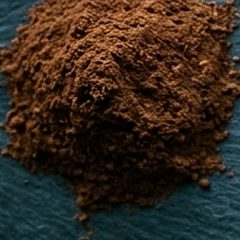
Extra fine
Powdered sugar / sifted cocoa
Gentle heat ~2 min 30
Turkish coffee (cezve / ibrik)
03 / GRIND SIZE & EXTRACTION
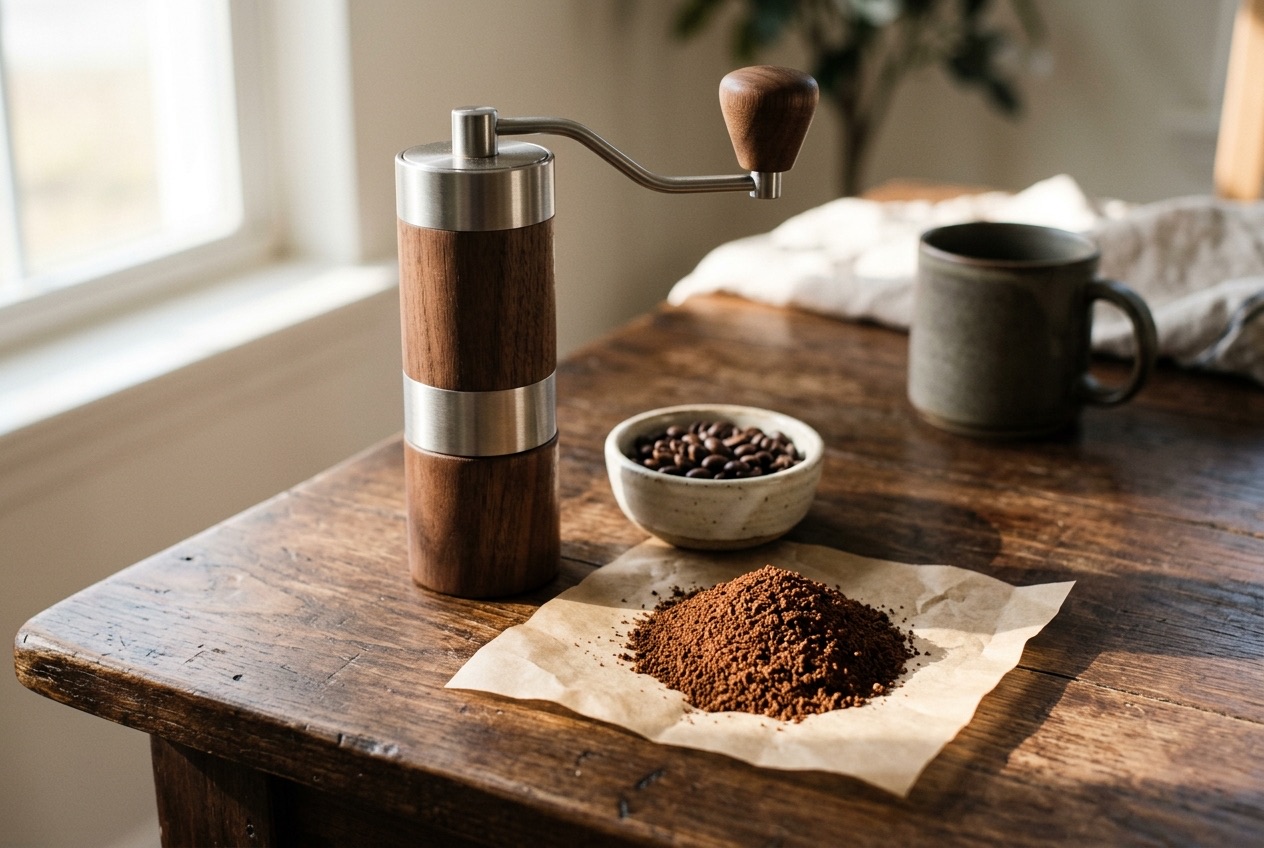
If you change just one thing tomorrow morning to brew better coffee, make it your grind. Particle size controls both exposed flavour surface and how fast water flows through the bed.
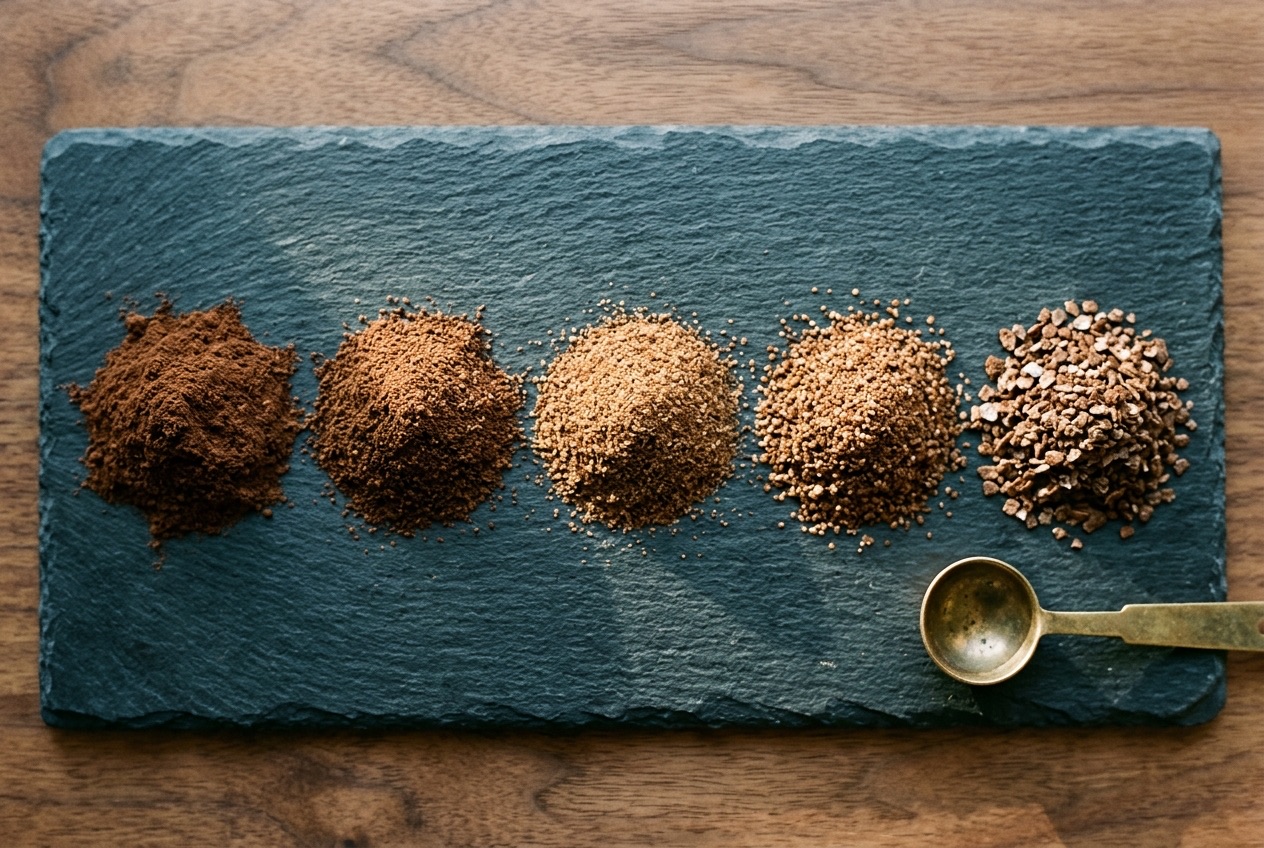
Rub a pinch of grounds between thumb and forefinger — tactile texture beats arbitrary dial numbers across every grinder.
Powdered sugar / sifted cocoa
Gentle heat ~2 min 30
Turkish coffee (cezve / ibrik)
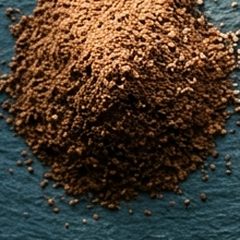
Fine table salt
25 to 30 seconds at 9 bars
Manual or semi-auto espresso
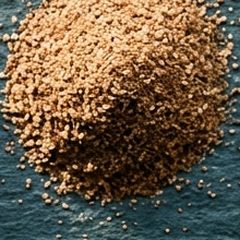
Soft, fine sand
2 min 15 to 3 min
Conical pour-over (V60), AeroPress, Moka pot
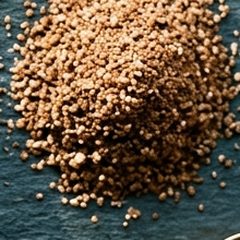
Even beach sand
3 min 30 to 5 min
Electric drip brewer, flat-bottom pour-over
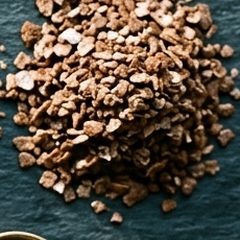
Rough sand / raw sugar
3 min 30 to 4 min 30
Large Chemex, gentle immersion
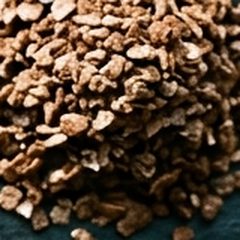
Flaky kosher / sea salt
4 min (hot) to 14 h (cold)
Classic French press, Cold brew
Grind size
A blade chopper shatters beans randomly, leaving big chunks (which under-extract sourness) right alongside powdery dust (which clogs filters and over-extracts bitterness) in the very same cup. A burr grinder — hand or electric — sets a fixed gap so particles emerge uniform and sweet.
Helpful habit: ignore someone else’s dial number — two grinders rarely share the same zero point. Trust draw-down time and your own palate.
INTERACTIVE BARISTA COMPASS
Select what you notice on your tongue to see what happened inside the brew and the exact tweak for your next cup.
UNDER-EXTRACTED (< 18%)
Water rushed through too fast or ran too cool: it pulled out fast early acids but left behind the rounded sugars needed for balance.
Extra checks: keep water at 92–96 °C, give a full 35-second bloom, and make sure no dry pockets remain.
THE SWEET SPOT (18 – 22%)
Lively fruit notes, caramelised sugars and gentle cocoa structure sit in harmony, leaving a lingering, clean aftertaste that invites the next sip.
Curious to explore? Keep this exact grind and try 1:15 for richer body or 1:17 for extra tea-like clarity.
OVER-EXTRACTED (> 22%)
Water lingered too long or fought through fine dust: past the sugars, it pulled out woody, astringent compounds that dry out your palate.
Extra checks: drop water temperature slightly (88–90 °C on dark roasts) and rinse away old coffee oil build-up.
This single distinction unlocks stress-free brewing: strength (watery vs. heavy) comes from your coffee-to-water ratio, whereas balance (sour vs. bitter) comes from grind size!
That’s over-extraction — not necessarily too much coffee! Using fewer grams can actually worsen channelling; keep your dose steady and grind coarser.
That’s under-extraction. Grind finer to slow flow slightly and give water time to dissolve natural sweetness.
Your grind is spot on! Simply adjust your ratio: move from 1:17 toward 1:15 for fuller body, or add a splash of hot water (“bypass”) if it feels too dense.