01 / COFFEE MAKERS & METHODS

Every craving deserves
its own extraction.

The best coffee maker isn’t the priciest appliance on the shelf — it’s the one that matches the texture you love and the pace of your mornings. Meet the three physical brewing families first, then explore all eight methods in detail.

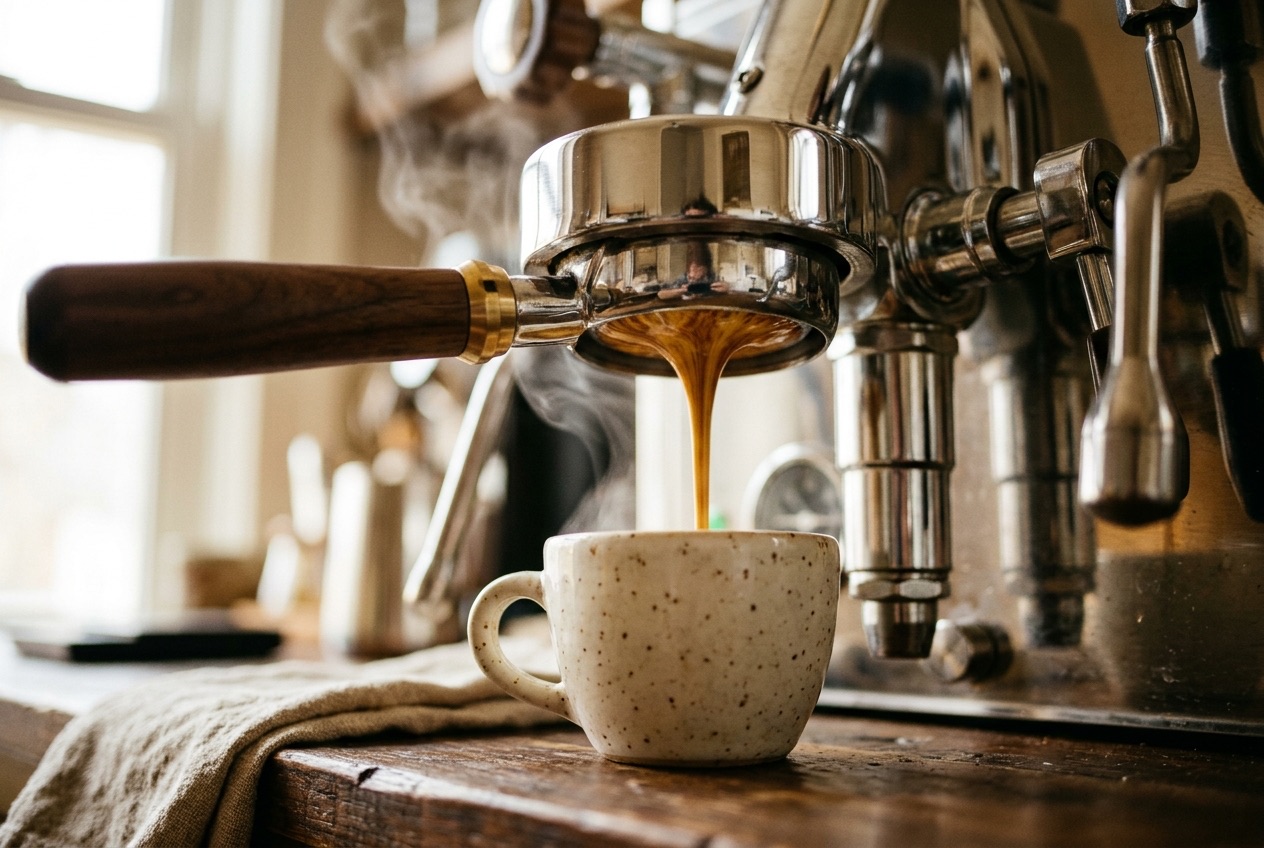
Pressurised espresso shot extracting rich golden crema.
Concentration, syrupy body and crema

THE BRAND CORNER

A machine for the way you make coffee.

Start with the part you want to play: dose and tamp yourself, or let the machine prepare your cup. Four brands and specific models make the difference easier to understand.

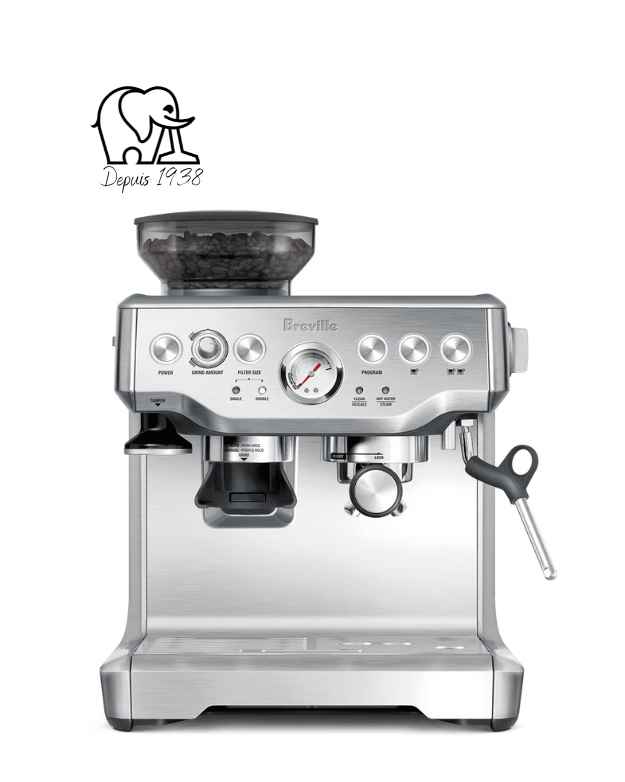
BrevilleBreville Barista Express espresso machine with integrated grinder and portafilter.

THE HANDS-ON ESPRESSO RITUAL

Learn the moves. Find your espresso.

With a portafilter, you prepare the coffee puck and the pump handles extraction. Your grinder and a consistent routine matter as much as the machine.

Models to know

Bambino Plus

A 54 mm portafilter, ThermoJet heating and automatic or manual milk texturing. Pair it with a separate grinder.

Official details · Bambino Plus ↗
Barista Express

An integrated burr grinder, 54 mm portafilter and manual steam wand: grinding, tamping and milk remain hands-on.

Official details · Barista Express ↗
Which daily ritual?
For anyone who enjoys adjusting a recipe and practising latte art.
The habit to keep
Weigh the dose, distribute the grounds, then purge and wipe the wand after steaming.
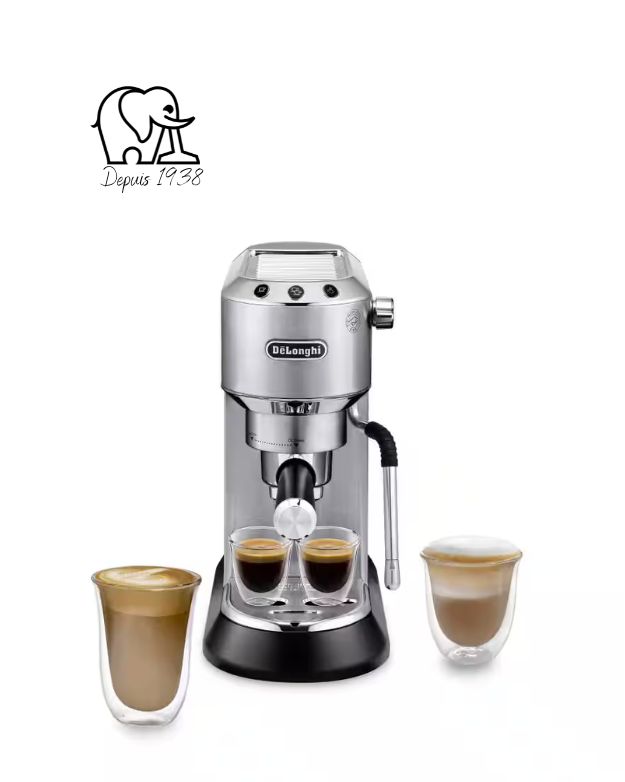
De’LonghiDe’Longhi Dedica Arte espresso machine with portafilter and steam wand.

TWO WAYS TO GET STARTED

Hands-on brewing or coffee at a touch.

Dedica and Magnifica serve two different routines: preparing a portafilter yourself or letting an automatic machine grind and brew.

Models to know

Dedica Arte

A portafilter machine with a steam wand for texturing milk. Grinding happens separately: allow for an espresso-capable grinder.

Official details · Dedica Arte ↗
Magnifica Start

Built-in grinder. The range includes a manual frother version and a LatteCrema version: choose the milk routine that suits you.

Official details · Magnifica Start ↗
Which daily ritual?
Dedica for hands-on preparation; Magnifica for a more automatic routine.
The habit to keep
Follow the descaling schedule and clean the milk system after use.
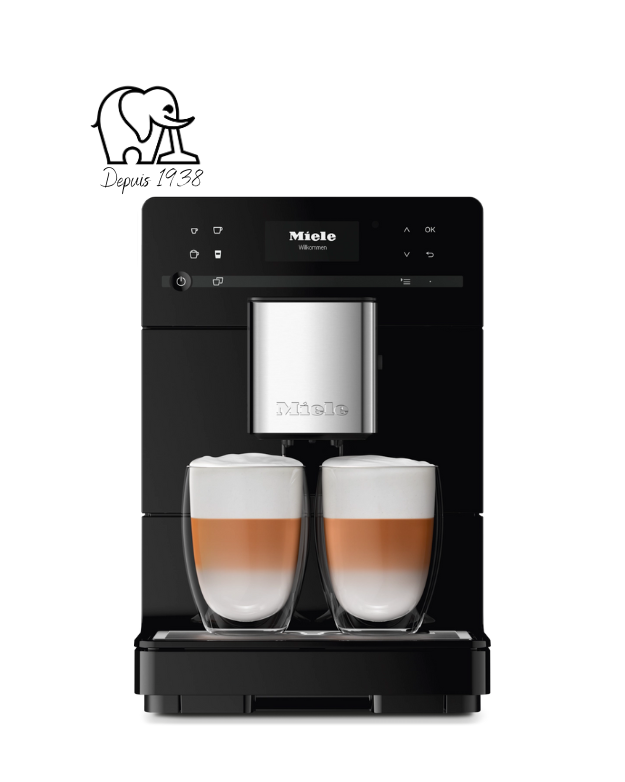
MieleBlack Miele CM 5310 Silence automatic coffee machine.

EVERYDAY CONVENIENCE

Two cups, one familiar routine.

The CM 5310 Silence is a bean-to-cup machine: the grinder and brew unit work inside, with no portafilter to fill.

Models to know

CM 5310 Silence

OneTouch for Two prepares two drinks simultaneously. The machine offers milk drinks and guided cleaning programmes.

Official details · CM 5310 Silence ↗
Which daily ritual?
For regular coffees and cappuccinos with fewer manual steps.
The habit to keep
Cleaning programmes help, but you still need to empty the grounds container and clean milk components as directed in the manual.
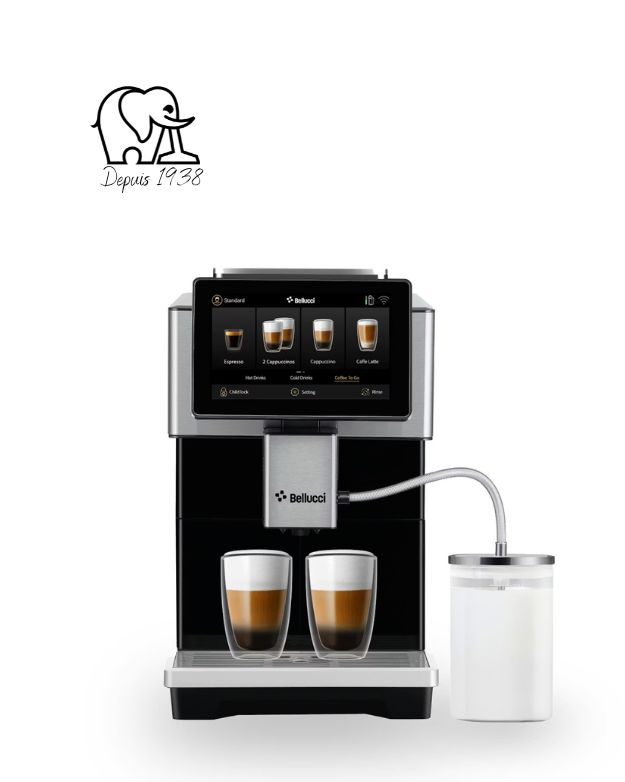
BellucciBellucci Bistro Casa automatic coffee machine with touchscreen.

YOUR PERSONAL COFFEE MENU

An easier milk-drink routine.

The Latte Touch and Bistro Casa bean-to-cup models combine a grinder, touchscreen and automatic milk preparation.

Models to know

Latte Touch

A steel conical burr grinder, six user profiles and a removable milk carafe help accommodate different routines.

Official details · Latte Touch ↗
Bistro Casa

Ceramic burrs, a 7-inch touchscreen and up to 35 drinks listed by the manufacturer.

Official details · Bistro Casa ↗
Which daily ritual?
For exploring recipes without preparing a portafilter for every drink.
The habit to keep
Rinse and maintain the milk carafe and circuit; automatic cycles do not replace every cleaning task.

Choose the ritual before the brand.

Portafilter

You dose, distribute and tamp. A suitable grinder and a little practice make a difference.

Breville Bambino Plus / Barista Express · De’Longhi Dedica Arte

Bean-to-cup

The machine grinds and brews. You adjust the drinks and maintain a cleaning routine.

De’Longhi Magnifica Start · Miele CM 5310 · Bellucci Latte Touch / Bistro Casa

HOW EXTRACTION SHAPES TEXTURE

Three brewing families, three distinct sensations.

Every brewer on earth uses one of these three physical principles to bring water and coffee together.

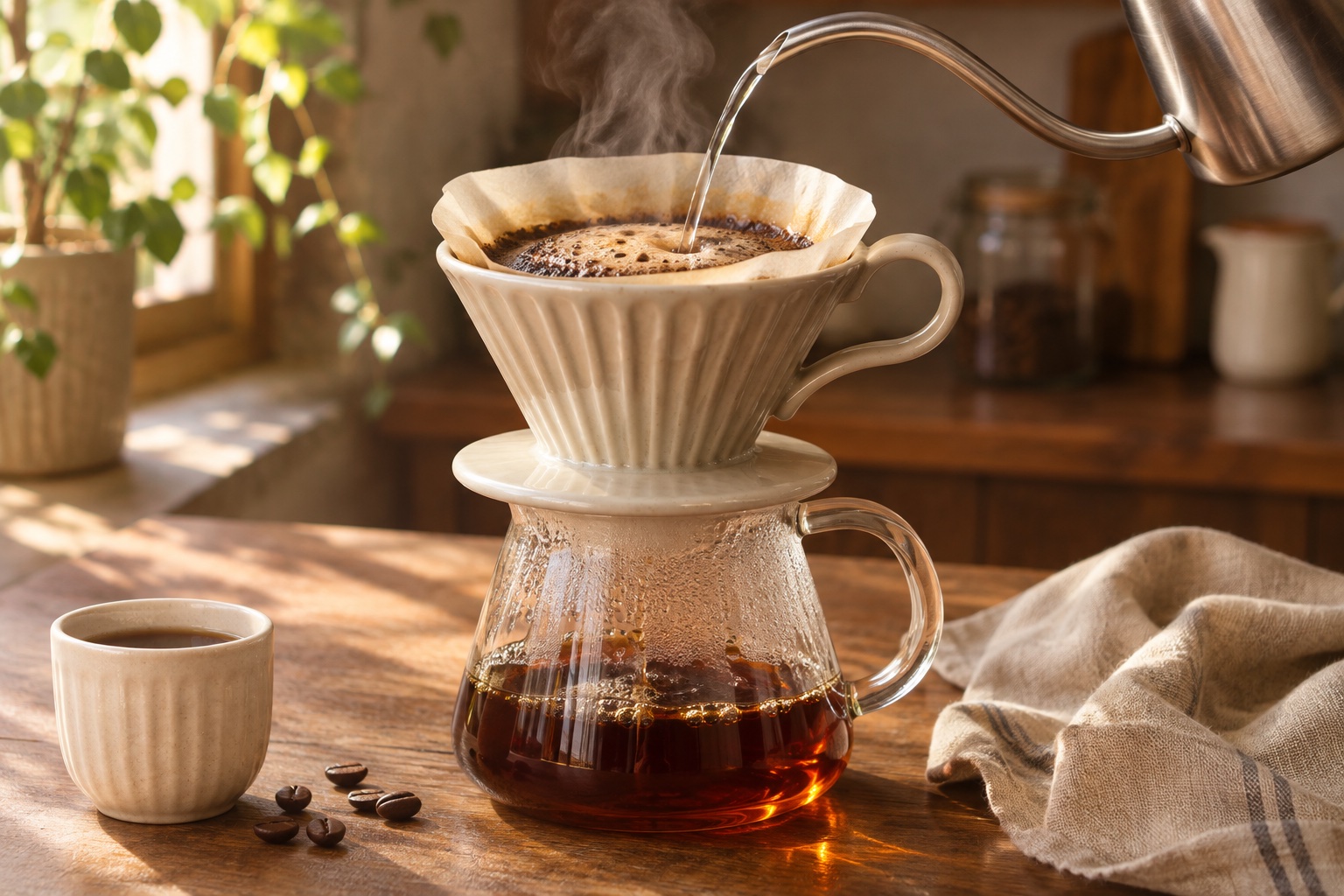
Gravity pour-over brewing into a clear glass carafe in morning light. 01

Clarity, sparkle and clean finish

Gravity percolation

Hot water flows gently down through a bed of grounds and a paper filter that traps heavy oils and silt. The result is crisp, luminous and wonderfully aromatic.

Manual pour-over · Electric drip brewer
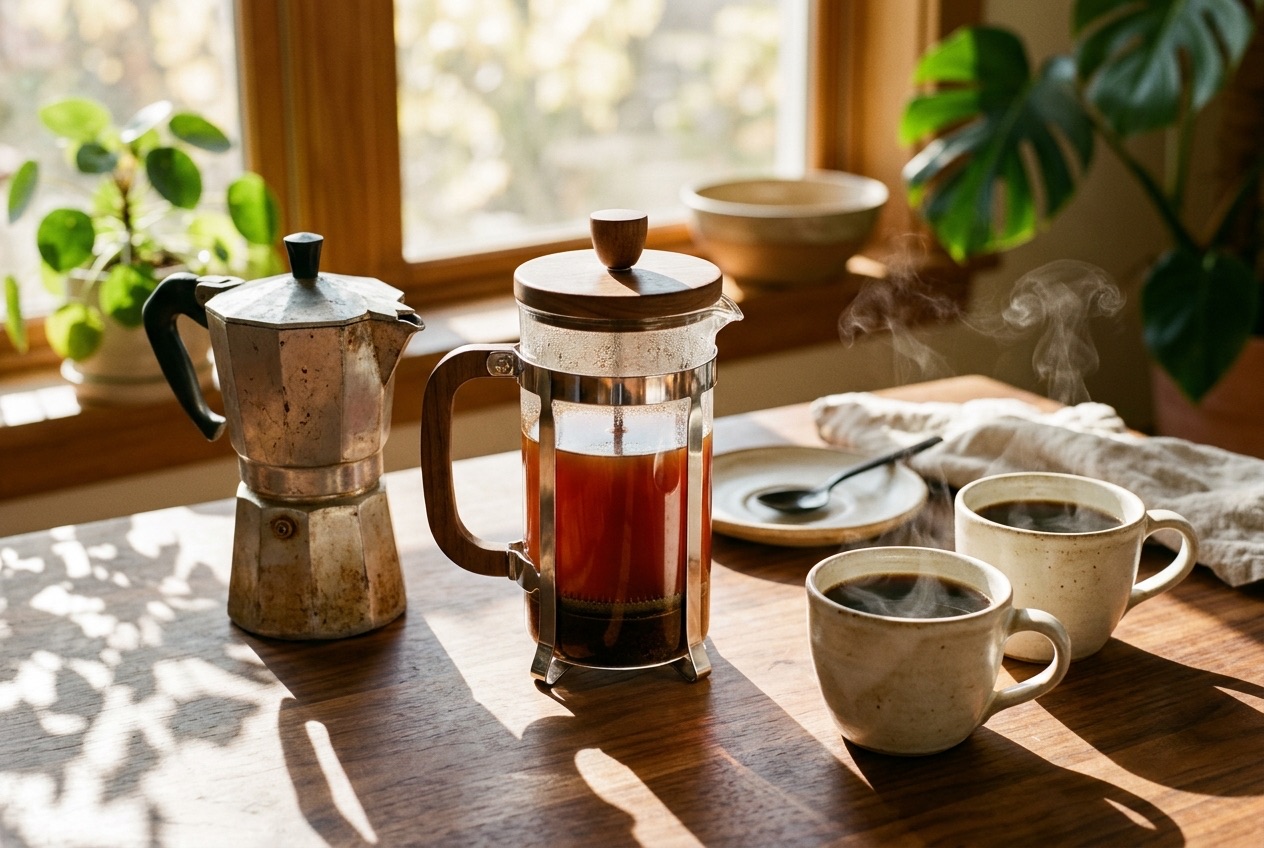
Glass French press and stovetop Moka pot beside warm stoneware cups. 02

Roundness, velvet body and ease

Full immersion

Coffee and water steep together for several minutes before filtering. Because every particle shares the same bath, extraction is remarkably forgiving and rich.

French press · Cold brew
Pressurised espresso shot extracting rich golden crema. 03

Concentration, syrupy body and crema

Pressurised extraction

Under pressure (up to 9 bars in espresso), hot water emulsifies aromatic oils in seconds — creating bold short coffees and the ideal foundation for steamed milk.

Espresso · Bean-to-cup · Moka pot · Capsules
01
1:16 (60 g/L) 4 to 6 min

The everyday classic, elevated

Electric drip coffee maker

In the cup
A clean, balanced longer cup thanks to paper filtration — effortless for breakfast or guests.
Starting grind
Medium (like even beach sand)
Open brewing secrets

Good to know

Cup quality hinges on stable water temperature (ideally 92–96 °C) and a showerhead that wets the entire basket evenly.

The game-changing habit

Rinse the paper filter, weigh 60 g of fresh coffee per litre of water, and pour into a thermal carafe rather than letting coffee bake on a hot plate.

02
1:16 (15 g / 250 g) 2 min 30 – 3 min 15

Mindful, aromatic craftsmanship

Pour-over brewer (V60, Chemex, Kalita)

In the cup
A crystal-clear, silky cup that lets delicate floral, berry or honey notes sing.
Starting grind
Medium-fine to medium depending on filter
Open brewing secrets

Good to know

You control water temperature, bloom pause and pour rate. Thicker bonded filters (like Chemex) deliver extra tea-like clarity.

The game-changing habit

Always bloom for 30 to 45 seconds first, then pour gently in slow spirals near the centre without washing water straight down the paper walls.

03
1:2 (liquid yield) 25 to 30 s

Your home barista bench

Manual or semi-automatic espresso machine

In the cup
A short, dense, velvety shot crowned with lingering hazelnut-gold crema.
Starting grind
Fine and uniform, dialled in on a burr grinder
Open brewing secrets

Good to know

At 9 bars of pressure, water exploits any uneven crack in the coffee puck (“channelling”). Unpressurised baskets reward a capable grinder; pressurised baskets help with pre-ground coffee.

The game-changing habit

Flush a brief burst of hot water first, break up clumps evenly, tamp level, and weigh the liquid yield in the cup (e.g. 18 g dry → 36 g liquid in ~28 s).

04
Short 35–45 ml 30 to 45 s

Freshly ground beans at a single touch

Automatic bean-to-cup machine

In the cup
Smooth espresso or aromatic lungo ground and brewed on demand with consistent foam.
Starting grind
Adjusted on the built-in burr grinder
Open brewing secrets

Good to know

It grinds, tamps and brews automatically, though internal warmth and moisture require regular rinsing of the brew unit and milk circuit.

The game-changing habit

Only change grind settings while the burrs are actively spinning, raise coffee dose strength before lengthening water volume, and avoid ultra-oily dark beans.

05
1:15 (30 g / 500 ml) 4 to 6 min

Generous immersion comfort

French press

In the cup
A plush, full-bodied, comforting cup rich in natural coffee oils and warm aroma.
Starting grind
Medium-coarse to coarse
Open brewing secrets

Good to know

The stainless mesh screen lets flavourful lipids pass into your cup along with a trace of fine silt at the bottom.

The game-changing habit

Steep 4 minutes uncovered, stir the top crust gently so grounds sink, spoon off the pale surface foam (where bitter fines hide), wait 2 more minutes, and rest the mesh just at the surface to pour cleanly.

06
~1:7 to 1:10 3 to 4 min on low heat

Bold Italian stovetop character

Stovetop Moka pot

In the cup
A rich, punchy cup brimming with cocoa and toasted nut warmth — distinct from espresso yet wonderfully intense.
Starting grind
Medium-fine (slightly coarser than espresso)
Open brewing secrets

Good to know

Steam pressure pushes water upward at ~1.5 bar. Starting with cold water over high heat bakes the dry grounds early and creates harsh, metallic bitterness.

The game-changing habit

Fill the base with pre-heated water (just below the safety valve!), fill the funnel level without tamping, brew over low heat with the lid ajar, and cool the base under cold tap water the instant gurgling starts.

07
25 to 40 ml ideal 20 to 30 s

Fast, tidy repeatability

Capsule machine

In the cup
A consistent small cup shaped directly by the blend sealed inside the pod.
Starting grind
Pre-set and nitrogen-sealed inside the capsule
Open brewing secrets

Good to know

Because standard pods hold only 5 to 7 g of coffee, forcing large mug volumes through a single capsule quickly over-extracts thin bitterness.

The game-changing habit

Run a blank water shot first to pre-heat the spout and your cup, brew on the short espresso setting, and top up with pure hot water (“Americano style”) if you want a longer drink.

08
1:10 (7 g / 70 ml) 2 min 30 gentle heat

Timeless unfiltered tradition

Turkish coffee pot (Cezve / Ibrik)

In the cup
An intense, velvety demitasse topped with dense foam and aromatic depth.
Starting grind
Extra-fine, soft like cocoa powder or flour
Open brewing secrets

Good to know

Water and ultra-fine coffee (sometimes kissed with cardamom) warm slowly together without ever reaching a rolling boil.

The game-changing habit

Whisk cold water and coffee together in the cezve first, warm gently without stirring until dark foam rises to the neck, lift off the heat immediately, pour slowly and let the grounds settle for a full minute.

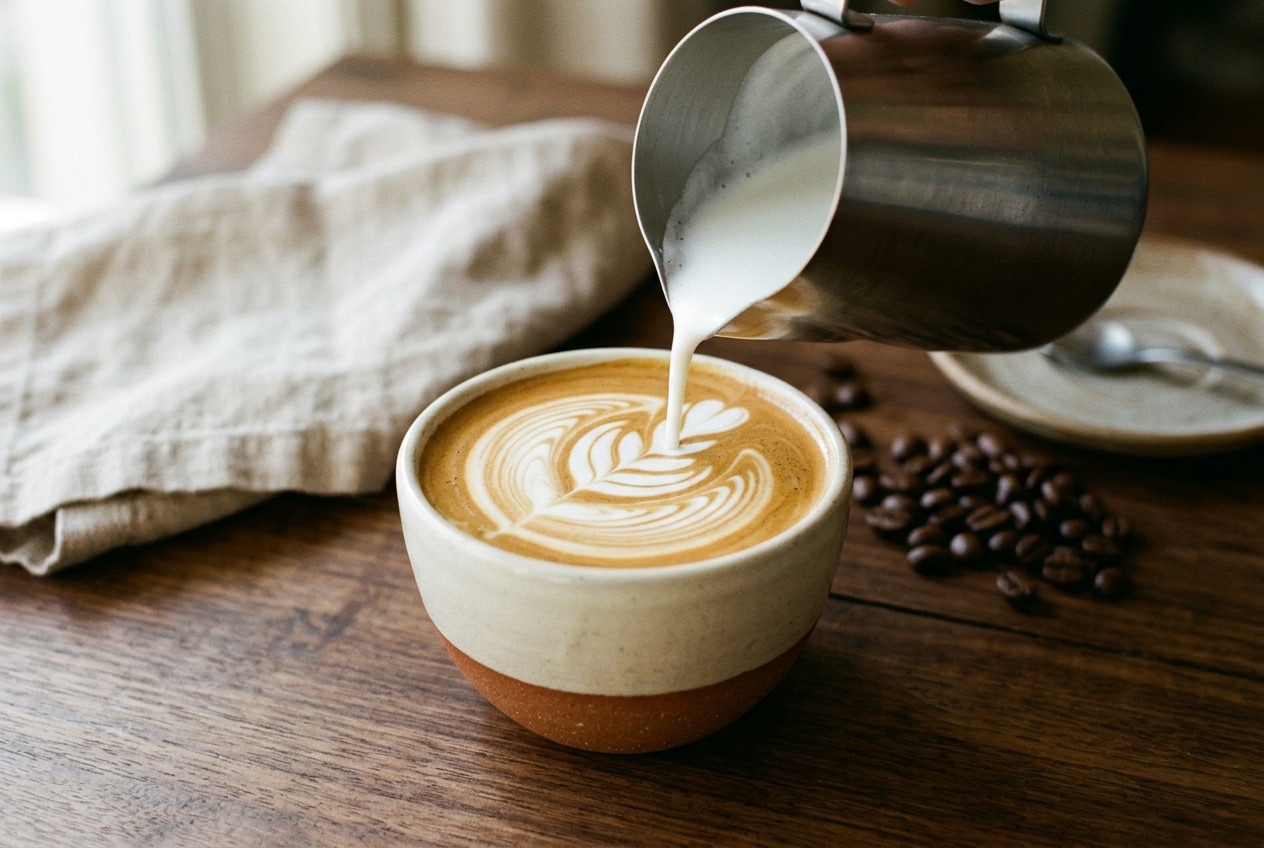
Pouring glossy steamed microfoam milk from a steel pitcher into rich espresso to form latte art.

COFFEE MEETS STEAMED MILK

How to steam glossy, naturally sweet microfoam.

A great cappuccino or flat white isn’t topped with stiff, dry bubble bath foam — it blends espresso with liquid velvet that shines like wet paint.

1. Always start with fridge-cold milk (4 °C)

Cold milk buys you 10 to 15 precious seconds to fold in microscopic bubbles before temperature climbs. Whole dairy milk textures effortlessly; for plant milk, pick a “Barista” oat or soy edition.

2. Stretch for 3 seconds (“tss-tss”), then spin a vortex

Purge condensation from the wand, kiss the tip just below the surface for 3 to 4 gentle paper-tearing whispers, then dip slightly deeper off-centre to spin a quiet whirlpool that polishes every visible bubble away.

3. Stop at 60–65 °C, never boiling

The moment the steel pitcher feels too hot to hold comfortably for more than a second, shut off the steam! Above 70 °C, milk proteins break down and natural sweetness flattens.

Continue exploringCoffee beans