02 / COFFEE BEANS & FLAVOUR

A whole landscape
inside every bean.

Long before it reaches a roaster, coffee is a mountain fruit. Its botanical species, high-altitude soil, post-harvest drying and roast curve weave together every note you smell and taste in your cup.

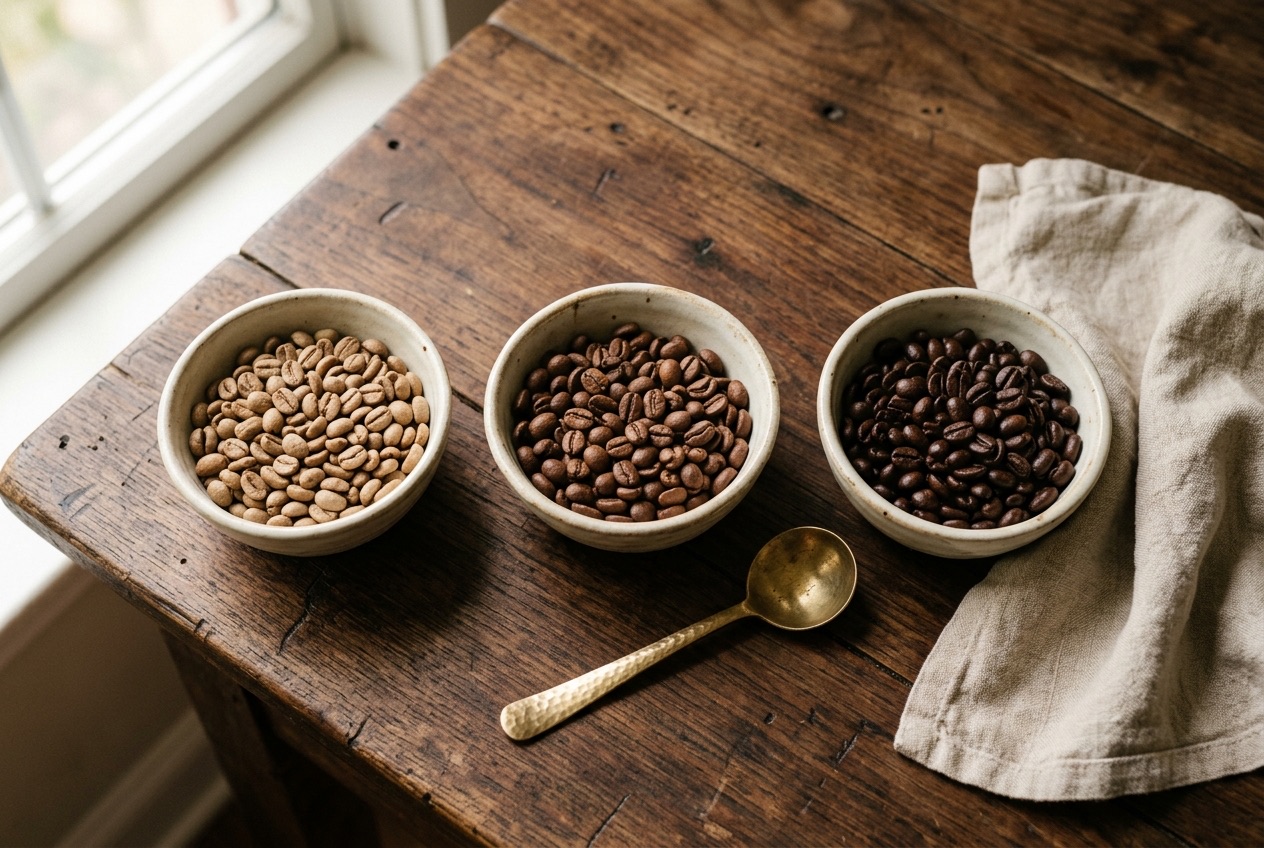
Three stoneware bowls holding light, medium and dark roasted coffee beans beside a brass cupping spoon on dark walnut wood.
THE FRESHNESS WINDOW — After roasting, beans rest and degas for 4 to 7 days, then shine brightest between weeks 1 and 5.

LOCAL & CLASSIC COFFEES · MAISON DE L’ASPIRATEUR

Thoughtfully roasted coffees,
available at Maison de l’Aspirateur.

A capable grinder and coffee maker shine brightest with well-chosen beans. Explore a curated lineup at Maison de l’Aspirateur featuring coffees roasted in Laval, Québec by family-run Café AGGA alongside classic espresso blends such as Spalanzani — in whole-bean or ground formats.

Browse all coffees at Maison de l’Aspirateur ↗
Whole bean · 340 g · Intensity 3/5 340 g bag of AGGA Nicaragua whole-bean coffee at Maison de l’Aspirateur.
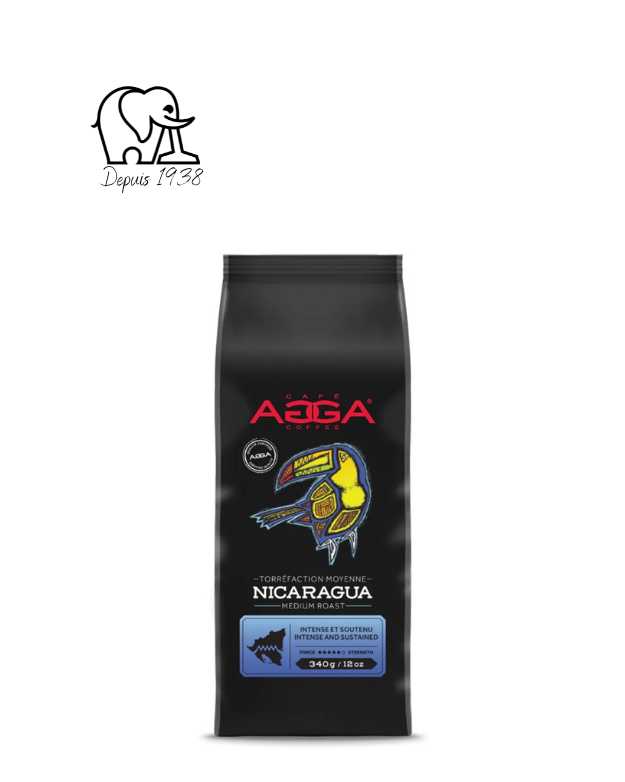
AGGA Nicaragua

SWEET COCOA · GENTLE CITRUS · CARAMEL

High-altitude 100% arabica from Matagalpa and Jinotega, medium roasted. Smooth, bright and balanced — welcoming in both filter brewers and gentle espresso.

View at Maison de l’Aspirateur ↗
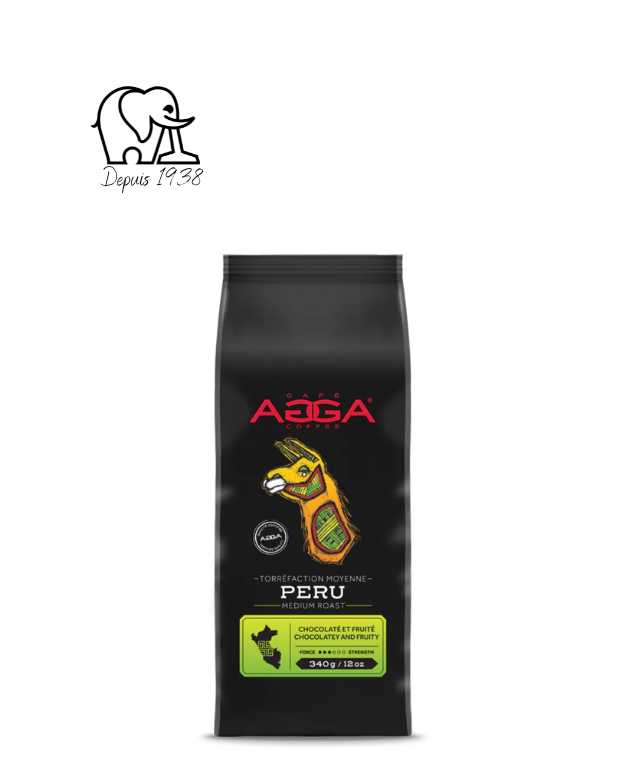
Whole bean · 340 g · Intensity 3/5 340 g bag of AGGA Peru Chanchamayo whole-bean coffee at Maison de l’Aspirateur.

AGGA Peru Chanchamayo

CHOCOLATE · SOFT FRUIT · LIGHT HONEY

100% arabica grown in Peru’s Chanchamayo mountains. A refined medium roast delivering natural honeyed sweetness for pour-over, lungo or smooth espresso.

View at Maison de l’Aspirateur ↗
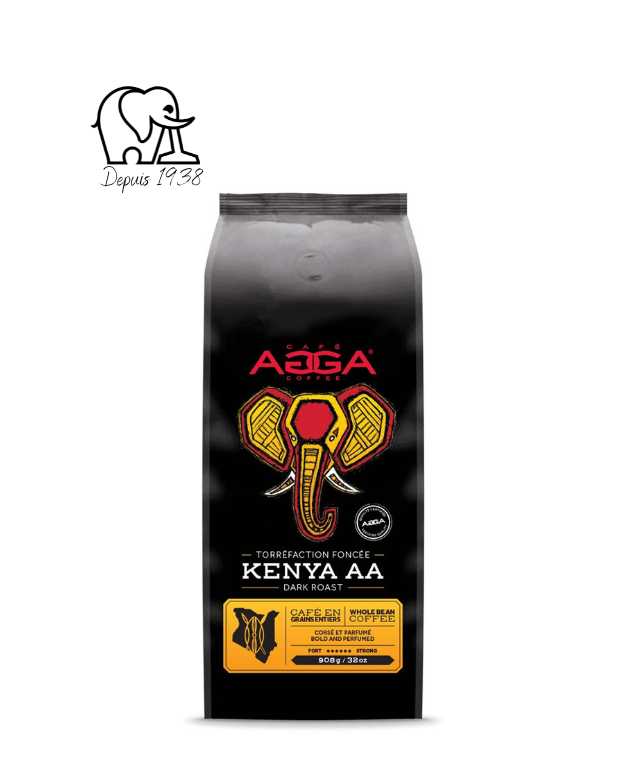
Whole bean · 1 kg · Intensity 4/5 1 kg bag of AGGA Kenya AA whole-bean coffee at Maison de l’Aspirateur.

AGGA Kenya AA

VIBRANT FRUIT · LIVELY SPARKLE · RICH BODY

Top-grade AA 100% arabica from Kenya’s high plateaus. Structured and expressive, pairing lively berry brightness with deep roast character.

View at Maison de l’Aspirateur ↗
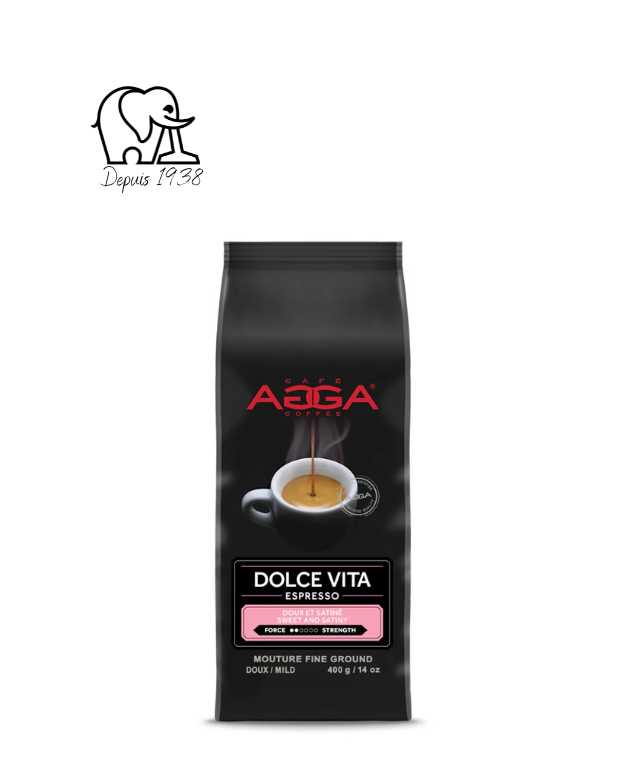
Pre-ground · 400 g · Intensity 3/5 400 g bag of AGGA Dolce Vita ground coffee at Maison de l’Aspirateur.

AGGA Dolce Vita (Ground)

TOASTED NUT · VELVETY · ITALIAN MEDIUM-DARK

A harmonious Italian-style medium-dark blend already ground for convenience. Ready for smooth lungos, Moka pots, filter brewers or creamy cappuccinos.

View at Maison de l’Aspirateur ↗
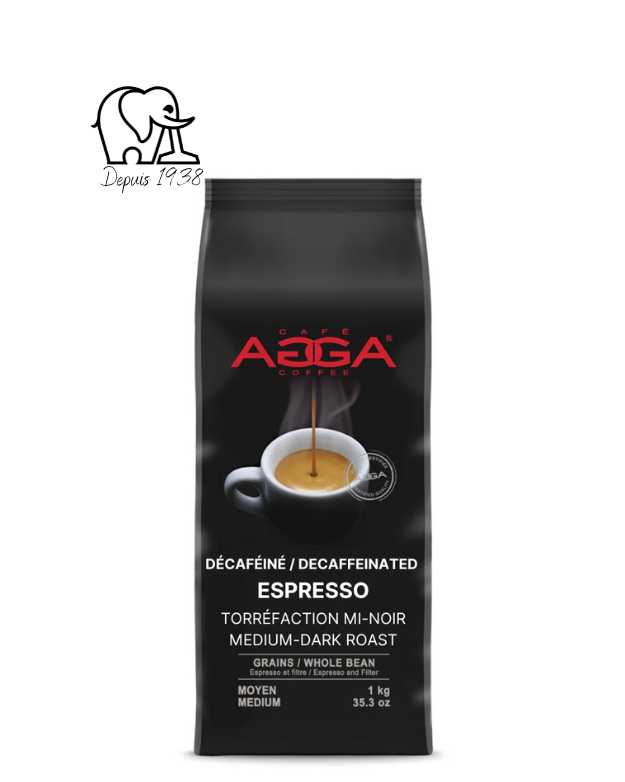
Whole bean · 1 kg · Intensity 2/5 1 kg bag of AGGA Decaf Espresso whole-bean coffee at Maison de l’Aspirateur.

AGGA Decaf Espresso

DARK CHOCOLATE · HAZELNUT · SWISS WATER®

100% arabica naturally decaffeinated with pure water via the chemical-free Swiss Water® process, medium-dark roasted for rich evening espressos.

View at Maison de l’Aspirateur ↗
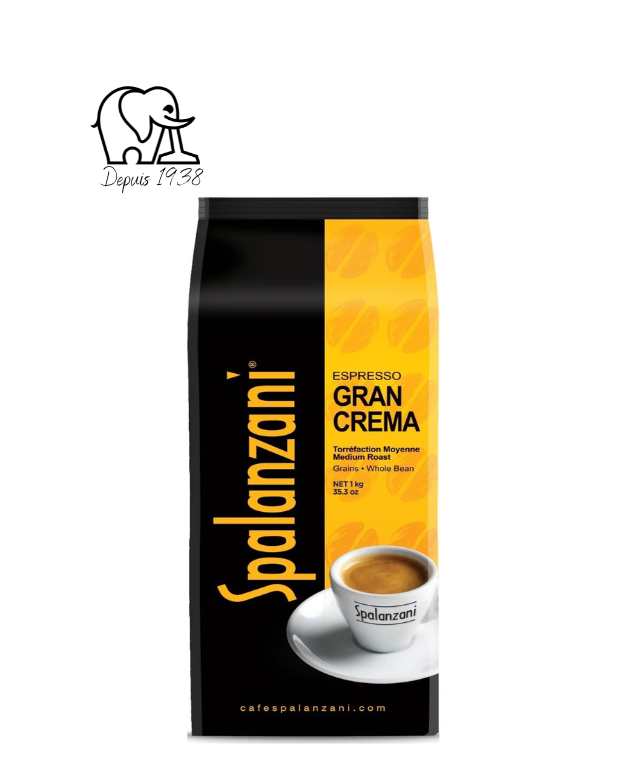
Whole bean · 1 kg · Intensity 4/5 1 kg bag of Spalanzani Gran Crema whole-bean espresso coffee at Maison de l’Aspirateur.

Spalanzani Gran Crema

CHOCOLATEY · TOASTED WARMTH · THICK CREMA

A classic espresso blend crafted for generous, lingering crema and comforting cocoa-toast depth — effortless neat or folded into steamed milk.

View at Maison de l’Aspirateur ↗
Tasting notes below describe natural flavour nuances from origin and roast level, never artificial flavourings. Follow each bag link to view the full product listing on Maison de l’Aspirateur.

From the bag to your brewer: quick pairings.

With a portafilter

Pick whole-bean bags (Nicaragua, Peru, Gran Crema or Decaf), grind fresh per shot and nudge grind size in small steps while watching shot time.

With a bean-to-cup machine

Medium to medium-dark beans without heavy surface oil keep internal burrs clean. Boost coffee strength before adding extra water volume.

With filter, French press or Moka pot

Nicaragua and Peru sing in pour-over and French press for sweet clarity, while Dolce Vita ground or Gran Crema brings cozy warmth to a stovetop Moka.

Two major botanical species worth knowing.

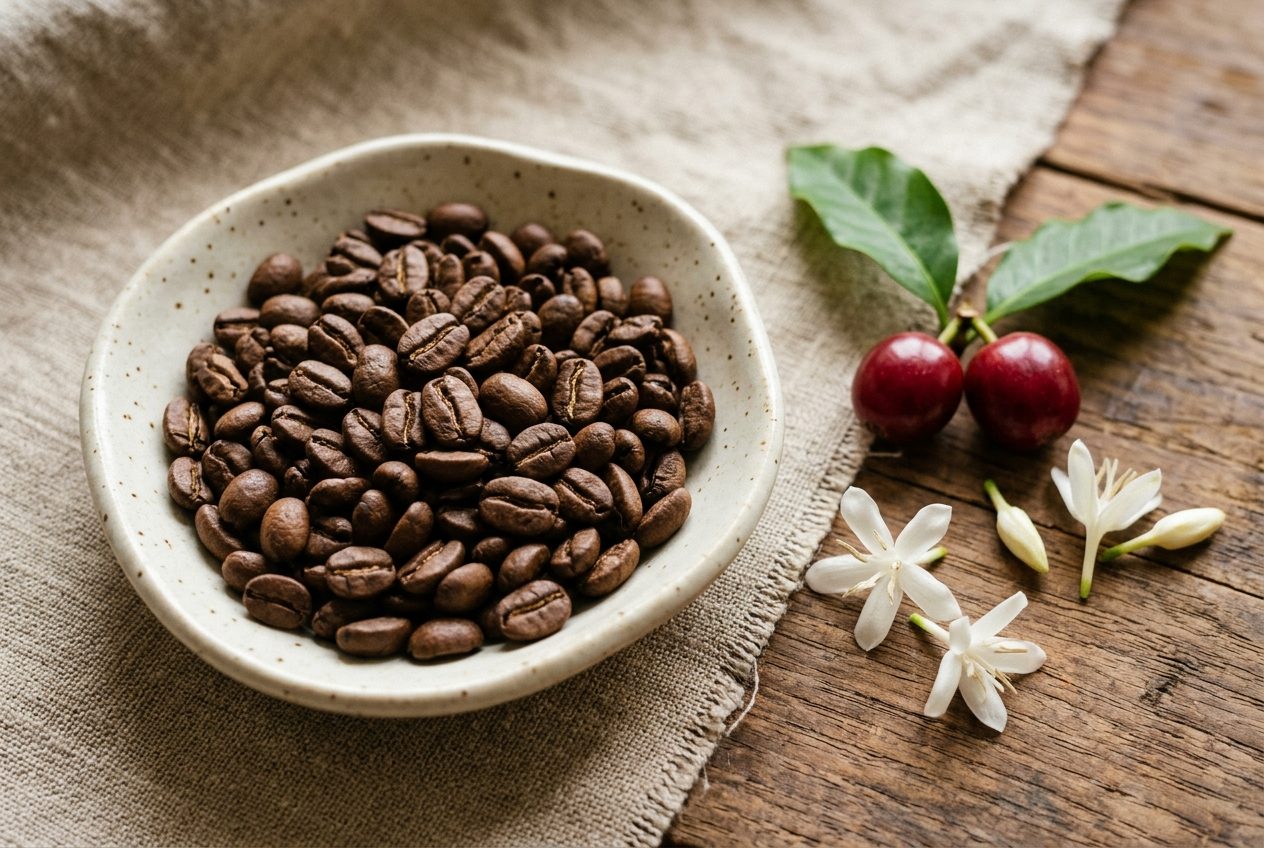
Stoneware dish of elongated arabica beans with curved center creases beside ripe red coffee cherries and white blossoms.

Arabica

Coffea arabica

Grown mostly on cool mountain slopes (1,000 to 2,200 m), where slow cherry ripening concentrates complex sugars and organic acids. Celebrated for aromatic diversity and gentler caffeine.

Typical notes: jasmine, berries, citrus, caramel, milk chocolate, roasted almond.

Macro close-up of plump, rounder roasted coffee beans with straight center creases.

Robusta (Canephora)

Coffea canephora

Hardier and grown at warmer elevations, packing roughly twice the caffeine of arabica. Brings thick crema, deep body and punchy structure — especially when harvested ripe with specialty care.

Typical notes: dark cocoa, cedar, toasted grain, walnut, syrupy body.

Good to know: Bourbon, Typica, Caturra, SL28 and Geisha are arabica varieties — much like Pinot Noir or Chardonnay in wine. And “Espresso” printed on a bag describes a suggested roast style, never a botanical species.

THE ROASTER’S CRAFT

Three roast levels, three distinct personalities.

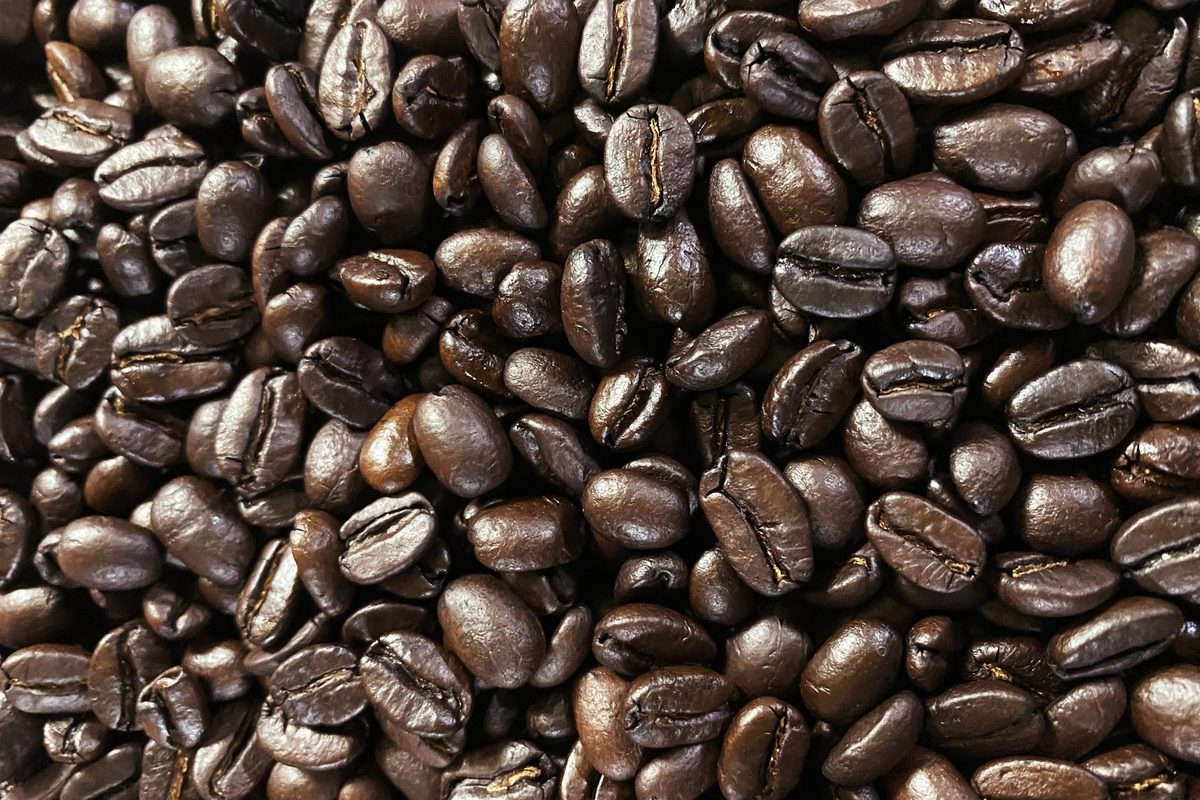
Heat caramelises green bean sugars through Maillard reactions. As roast time progresses, bright fruit origin notes give way to toasted cocoa — and beans become more porous and easier for water to extract!

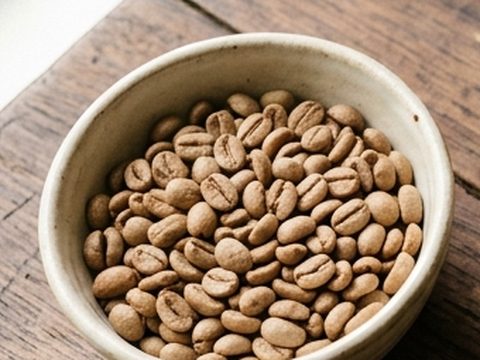
Stoneware cupping bowl filled with cinnamon-tan light-roasted coffee beans. Ideal water94 – 96 °C

Light roast

Vibrant, floral and juicy

Dropped shortly after “first crack”, preserving delicate terroir signatures like jasmine, peach, bergamot or red currant. Dense beans love hotter water to unlock full sweetness.

Bright fruit & florals
Caramel sweetness
Toasted cocoa & body
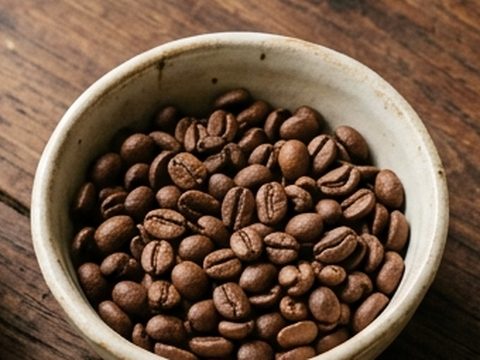
Stoneware cupping bowl filled with chestnut-brown medium-roasted coffee beans. Ideal water91 – 94 °C

Medium roast

Inviting, sweet harmony

Lively acidity rounds out into caramel, praline, baked apple and milk chocolate. A versatile sweet spot that shines equally in filter brewers and modern espresso.

Bright fruit & florals
Caramel sweetness
Toasted cocoa & body
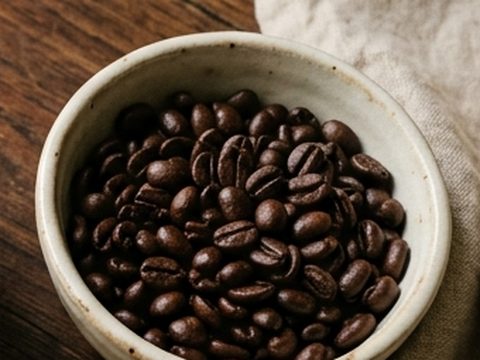
Stoneware cupping bowl filled with deep mahogany dark-roasted coffee beans. Ideal water88 – 90 °C

Dark roast

Bold, bittersweet and comforting

Sugars deepen toward dark chocolate, warm spice and toasted crust with very low acidity. Because dark beans are porous, brew with cooler water to prevent smoky harshness!

Bright fruit & florals
Caramel sweetness
Toasted cocoa & body
National Coffee Association ↗

FOLLOW YOUR PALATE

Four flavour families to pick a bag you’ll love.

Standing in front of a wall of coffee bags? Simply look for the tasting family that sounds most delicious to you.

Smooth & comforting

Chocolate, Hazelnut & Caramel

Soft acidity, warm praline sweetness and cocoa depth — effortless black or with milk.

Common cues: Brazil, Nicaragua, Peru, Colombia in medium roast.

Lush & velvety

Ripe Berries, Plum & Jam

When whole cherries dry naturally in the sun (“natural process”), the seed absorbs notes of strawberry, blueberry and fruity cocoa.

Common cues: Natural Ethiopia, natural or honey-processed Central America.

Bright, lifted & fragrant

Citrus Blossom, Peach & Tea

A sparkling, clean cup recalling bergamot, jasmine or sweet tangerine — unforgettable in a manual pour-over.

Common cues: Washed Ethiopia, Kenya, high-elevation washed lots (> 1,700 m).

Bold & lingering

Dark Cocoa, Spice & Toast

Rich mouthfeel and a long bittersweet finish of 80% dark chocolate, clove and roasted walnut.

Common cues: Classic espresso blends, Sumatra, medium-dark to dark roasts.

COFFEE ORIGINS ATLAS

Six classic origins to recognise in your cup.

From volcanic Andean ridges and East African highlands to sunlit Brazilian estates, every region leaves an unmistakable natural signature inside the bean.

SOUTH AMERICA

Brazil

Altitude & process
800 – 1,350 m · Natural & Pulped Natural
In the cup
Toasted hazelnut, milk chocolate, peanut praline and soft caramel with gentle, low acidity.
Best home match
Creamy espresso, automatic bean-to-cup machines, French press and milk drinks.

CENTRAL ANDES

Colombia

Altitude & process
1,400 – 2,000 m · Classic Washed
In the cup
Raw cane sugar (panela), red apple, rich caramel sweetness and balanced citrus lift.
Best home match
Electric drip or manual pour-over (V60), balanced morning espresso.

CENTRAL AMERICA

Nicaragua & Guatemala

Altitude & process
1,200 – 1,750 m · Washed & Honey
In the cup
Smooth praline, fine cocoa, orange blossom honey and a clean, rounded finish.
Best home match
Filter coffee makers, clean French press, stovetop Moka pot and Americano.

HIGH ANDES & AMAZON

Peru (Chanchamayo, Cajamarca)

Altitude & process
1,350 – 1,900 m · Washed (often organic)
In the cup
Delicate floral sweetness, sweet almond, blond chocolate and silky body.
Best home match
Manual pour-over, everyday electric drip and gentle lattes.

BIRTHPLACE OF ARABICA

Ethiopia (Yirgacheffe, Guji)

Altitude & process
1,800 – 2,300 m · Washed or Sun-dried Natural
In the cup
Washed: jasmine, bergamot and white peach. Natural: ripe blueberry, strawberry jam and fruity cocoa.
Best home match
Conical pour-over (V60, Chemex) and Japanese Flash Iced Coffee.

RED VOLCANIC HIGHLANDS

Kenya (AA, SL28 & SL34 varieties)

Altitude & process
1,600 – 2,100 m · Double-fermented Washed
In the cup
Juicy blackcurrant, pink grapefruit, brown sugar and a sparkling, wine-like finish.
Best home match
Precision pour-over at 94–95 °C or flash-brewed over ice.

How to read a coffee bag like a barista.

Roast date vs. “Best before”: why does it matter?

Roasted coffee never spoils dangerously, but its aromas fade just like crusty bakery bread. A printed roast date lets you enjoy beans in their prime window (roughly 1 to 6 weeks post-roast, allowing 7 to 12 days of rest for espresso so excess gas doesn’t disrupt shots).

Washed, Natural or Honey process: how does it taste?

Coffee seeds live inside sweet red cherries. “Washed” coffees have fruit cleanly removed with water before drying for crisp, floral clarity. “Natural” coffees dry whole inside the fruit for jammy berry sweetness and heavier body. “Honey” keeps part of the sticky fruit mucilage for a silky middle ground.

Single origin or blend?

Single-origin coffees celebrate the distinct terroir of one farm, cooperative or region. Blends pair complementary coffees (like a nutty Brazilian base with a bright Ethiopian lift) to deliver a balanced, reliable profile — especially lovely with milk.

Why shouldn’t open coffee bags live in the fridge?

Roasted beans act like tiny odor sponges and every trip out of a cold fridge condenses moisture right onto their surface, speeding up staling! Keep them in a valve bag or opaque airtight canister in a cool cupboard instead. (Only airtight single-dose freezing, thawed completely sealed before opening, preserves freshness long-term.)

Can decaf genuinely taste great in the evening?

Yes! Gentle modern decaffeination — such as Swiss Water® or natural sugarcane ethyl acetate — removes over 99% of caffeine while keeping origin character intact. Because decaf beans are slightly more porous, expect to adjust your grind a touch and watch flow rate.

Continue exploringGrind size